


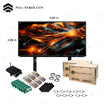


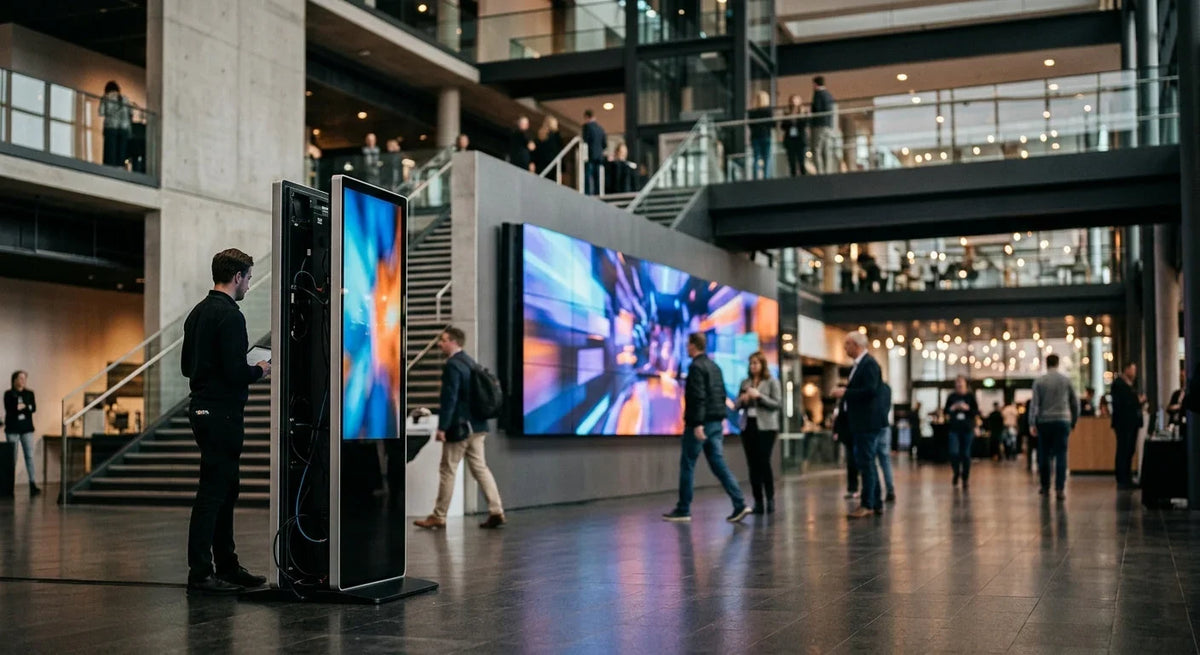
In the competitive world of digital advertising, the ability to capture audience attention and communicate a message effectively is crucial. LED screens have revolutionized this space, providing a visually impactful platform for dynamic advertisements. However, it is not just about having a screen; it is about how it is used. Programmatic advertising in digital signage is a technique that allows advertisers to maximize the efficiency and return on investment of their LED screens. As manufacturers, we observe that many of our clients are already incorporating these advanced solutions to optimize the performance of their advertising investments.
In this article
Context and buyer's problem
Buyers of LED screens for advertising often face significant challenges when trying to maximize their return on investment. Often, the problem lies not in the technology itself, but in how it is used. In an environment where consumer attention is a scarce resource, the need for relevant and well-targeted content is more pressing than ever. This is where programmatic advertising comes into play, allowing advertisers to use data to target their messages to specific audiences at the precise moment.
Using LED screens for programmatic advertising may seem intimidating to those unfamiliar with the technology. However, the reality is that these solutions are increasingly accessible and effective. By integrating advanced software and data analysis techniques, companies can adapt their campaigns in real time, ensuring that each ad reaches its target audience efficiently. This not only improves campaign effectiveness but also optimizes advertising spend by reducing waste.
Furthermore, the implementation of programmatic LED screens offers the flexibility to manage multiple campaigns simultaneously. This means that advertisers can easily switch ads based on the time of day, weather, or even local events, which is a considerable advantage over traditional static advertising methods. This level of customization not only improves content relevance but also increases viewer engagement and, ultimately, return on investment.
Technical comparison
When choosing an LED screen for programmatic advertising, it is important to consider the technical specifications that align with your needs. Below, we present a comparison of our LED screens to help buyers make an informed decision:
| Screen Type | Resolution (Pitch) | Brightness (nits) | Protection | Use |
|---|---|---|---|---|
| Indoor Rental | P2.6, P2.9, P3.91, P4.81 | 850 nits | IP65 | Indoor |
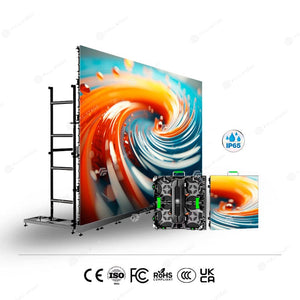
| Outdoor Rental | P2.6, P2.9, P3.91, P4.81 | 4,500 nits | IP65 | Outdoor |
| Indoor Fixed | P1.53-P5 | 850-1,500 nits | IP42 | Indoor |
| Outdoor Fixed | P2.5-P10 | 5,500 - 10,000 nits | IP65 - IP68 | Outdoor |
Choosing the right screen will depend on several factors, including the installation environment, the type of content to be displayed, and the target audience. Brighter screens are ideal for outdoors, where direct sunlight can be a factor, while screens with a lower pitch are preferable for indoors, where viewers are closer to the screen.
What most don't consider
Often, companies focus on the visible aspects of digital signage, such as the size and brightness of the screen, without considering equally important aspects like the refresh rate and the ease of integration with programmatic advertising software. A critical aspect that many overlook is the screen's refresh rate, which on our screens is 3840 Hz as a base version and 7,680 Hz on higher-performance LED screens. This feature ensures that content is displayed smoothly and without flickering, which is essential to maintain viewer attention.
Another aspect that is often underestimated is durability. Full-Stage LED screens are designed to last up to 100,000 hours, which translates into years of reliable operation. This longevity is crucial for maximizing the initial investment and reducing long-term maintenance costs.
Finally, the ability to integrate with content management systems (CMS) is essential for facilitating ad uploads and scheduling. A robust CMS allows for the automation and optimization of displayed content, which is fundamental to the success of any programmatic advertising strategy.
Applications by use case
LED screens for programmatic advertising offer a variety of applications that can adapt to different business needs. Below are some of the most common applications:
- Shopping Centers: Using LED screens for promotions in specific stores or special events can drive more traffic and increase sales.
- Public Transport: Metro stations and bus stops are ideal places to install LED screens that show relevant ads to travelers, generating additional revenue for transport operators.
- Sports Events: In stadiums and arenas, LED screens can be used to show dynamic advertising during events, capturing fans' attention.
- Public Spaces: In plazas and parks, LED screens can provide community information alongside ads, generating added value for the community while monetizing the space.
- Corporate Buildings: Companies can use LED screens in their facilities to communicate internal and external messages effectively and professionally.
Each of these use cases represents a unique opportunity to capitalize on the investment in LED screens, ensuring that content reaches the right audience at the right time.
Decision table
To facilitate the selection of the right LED screen for programmatic advertising, we have created a decision table that summarizes the key considerations that must be taken into account:
| Criterion | Consideration |
|---|---|
| Location | Indoor or outdoor; affects brightness and necessary protection |
| Viewing distance | Determines the necessary pitch |
| Content type | Static image, video, or text; influences refresh rate |
| CMS Integration | Compatibility with content management software |
| Budget | Considers both initial cost and long-term maintenance |
This decision table is a useful tool to guide buyers through the selection process, ensuring that all critical aspects are considered before making a significant investment.
Costs and logistics
The cost of implementing an LED screen for programmatic advertising varies depending on several factors, including size, resolution, and specific screen features. However, it is essential to consider not only the initial cost of the screen but also the expenses associated with its installation, maintenance, and ongoing operation.
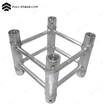
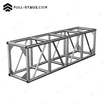
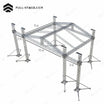
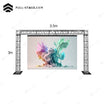
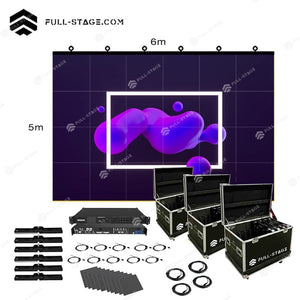
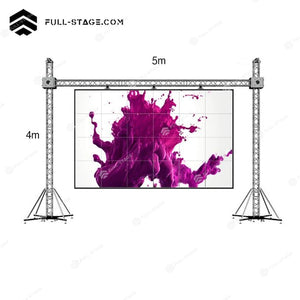
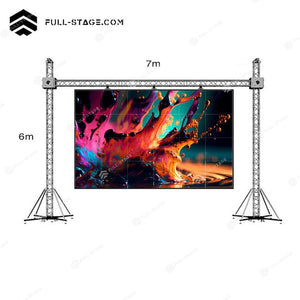
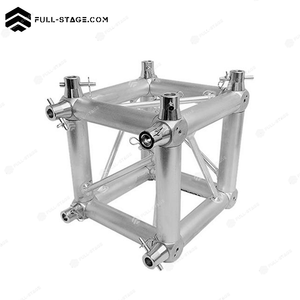
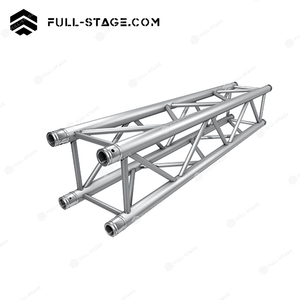
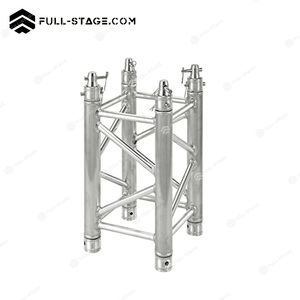
Installation logistics is another crucial aspect. Depending on the location, the installation may require additional support structures, such as 6082-T6 aluminum truss, certified by TÜV Rheinland, to ensure the safety and stability of the screen. Additionally, environmental conditions, such as exposure to the elements, may require screens with specific specifications, such as the IP65 model for outdoors.
Finally, regular maintenance is fundamental to ensuring the optimal operation of the screen over time. This includes cleaning the LED modules and updating the content management system software to maintain compatibility with the latest advertising technologies.
Get personalized technical advice for your digital signage project.
Request technical adviceCommon mistakes to avoid
Implementing a programmatic advertising solution with LED screens can be complex, and it is easy to make mistakes that can cost time and money. Here are some common mistakes you should avoid:
- Ignoring the correct resolution: Choosing a screen with an inadequate pitch for the viewing distance can result in a low-quality experience for the viewer.
- Not considering the installation environment: Environmental conditions can significantly affect screen performance. Be sure to choose a screen with the correct specifications for its location.
- Underestimating the importance of content: Content is key to capturing attention. Make sure it is relevant and attractive to your target audience.
- Neglecting maintenance: LED screens require regular maintenance to function correctly. Ignoring this can significantly reduce their lifespan.
- Lack of CMS integration: An effective content management system is crucial for maximizing the flexibility and effectiveness of your advertising campaigns.
By avoiding these common mistakes, you can ensure that your investment in LED screens for programmatic advertising is as effective and profitable as possible.
Request a quote today and take your advertising to the next level.
Request a quote