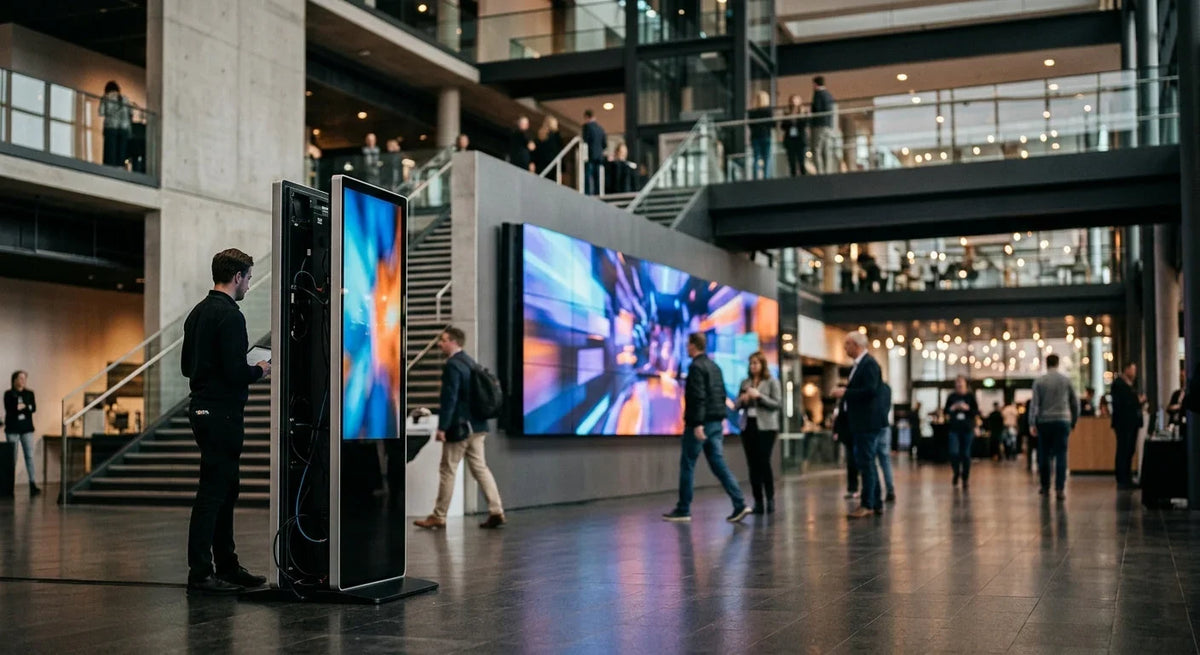


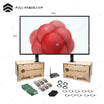
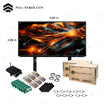
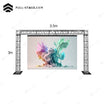
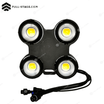
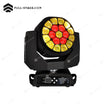
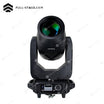
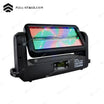
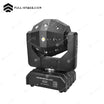
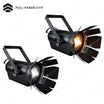
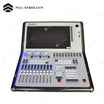
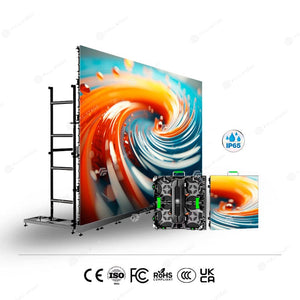


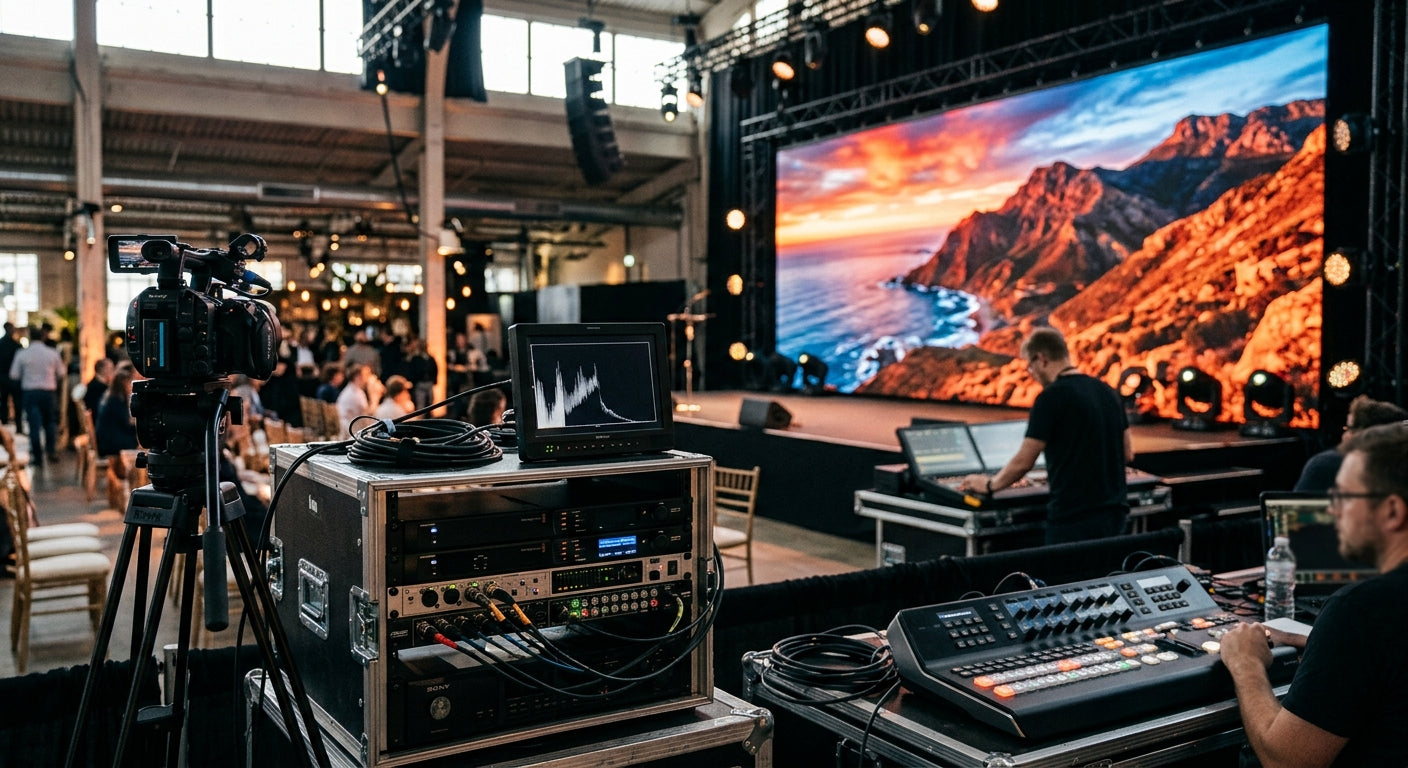
In the world of audiovisual equipment, certifications play a crucial role in ensuring product quality and safety. For LED display manufacturers like Full-Stage, complying with international standards such as CE, FCC, UKCA, RoHS 2.0, and CCC is not just a formality, but a commitment to our clients. These certifications ensure that our LED displays, both indoor and outdoor, not only meet technical regulations but also offer reliable and safe performance in diverse applications, from advertising to outdoor events.
In this article
Buyer context/problem
When choosing LED displays for any application, whether for advertising or events, buyers often face uncertainty regarding product quality and safety. The presence of CE, FCC, UKCA, RoHS 2.0, and CCC certifications on an LED display offers a guarantee that the product has been tested and meets the necessary standards for electrical safety, electromagnetic compatibility, and hazardous substance restrictions.
The market is flooded with products that promise high performance levels without valid certifications, which can put both the investment and the client's reputation at risk. Certifications act as a seal of approval, ensuring that the product is fit for purpose and can operate safely and effectively in multiple environments.
For Full-Stage clients who produce high-caliber events, the peace of mind offered by these certifications is invaluable. It not only ensures the safety of attendees and technical staff, but also guarantees that the equipment will function without technical failures that could disrupt the event.
Technical comparison
To better understand the importance of these certifications, it is useful to compare them in terms of what they cover and how they benefit end users. Here is a comparison table that highlights the key differences between CE, FCC, UKCA, RoHS 2.0, and CCC.
| Certification | Region | Technical Requirements | Scope of Application |
|---|---|---|---|
| CE | European Union | Electrical safety, EMC, RoHS | Products marketed in the EU |
| FCC | United States | Electromagnetic compatibility | Electronic equipment in the US |
| UKCA | United Kingdom | Electrical safety, EMC, RoHS | Products marketed in the UK |
| RoHS 2.0 | European Union | Maximum substance concentration limit | Restricts use of hazardous substances |
| CCC | PRC | Essential safety system | Marketing in the PRC |
As can be seen, while all these certifications address aspects related to safety and compatibility, each has its regional particularities that must be considered when marketing products in different markets.
What most people don't consider
When talking about certifications, many buyers tend to focus solely on basic compliance, but there are several additional factors that must be considered. For example, an LED display with CE certification is not only approved for sale in the European Union, but has also passed rigorous tests that guarantee its durability and reliability under specific conditions.
Furthermore, certifications are not a one-time process. Manufacturers must subject their products to periodic evaluations to maintain these seals, which ensures that the products continue to comply with current regulations.
Applications by use case
Certified LED displays are versatile and can be used in a variety of applications. Some common use cases include:
- Digital Advertising: Outdoor LED displays (with CE, FCC, UKCA, RoHS 2.0, and CCC certifications) offer visibility and weather resistance, making them ideal for billboards.
- Live Events: FCC-certified LED displays are perfect for live events in the US, ensuring that there will be no electromagnetic interference.
- Showrooms: Fixed indoor displays with CE, FCC, UKCA, RoHS 2.0, and CCC certification provide superior visual performance for presentations and product demonstrations.
- Shopping Malls: Displays certified for continuous use are ideal for advertisements and promotions in high-traffic areas.
Need help choosing the right LED display? Speak with one of our experts.
Request technical adviceCommon mistakes to avoid
When selecting LED displays, it is essential to avoid certain common mistakes:
- Ignoring certifications: Buying without verifying certifications can result in products that do not comply with legal regulations.
- Not considering the usage environment: Choosing indoor displays for outdoor applications can lead to premature failure.
- Underestimating the importance of EMC: Electromagnetic interference can affect the performance of other nearby electronic equipment.
- Neglecting to update certifications: Ensure that certifications are up to date to avoid regulatory problems.
- Choosing solely based on price: A lower price may mean compromises in quality and safety.
Ready to make an informed purchase? Contact us to receive a detailed quote.
Request a quote