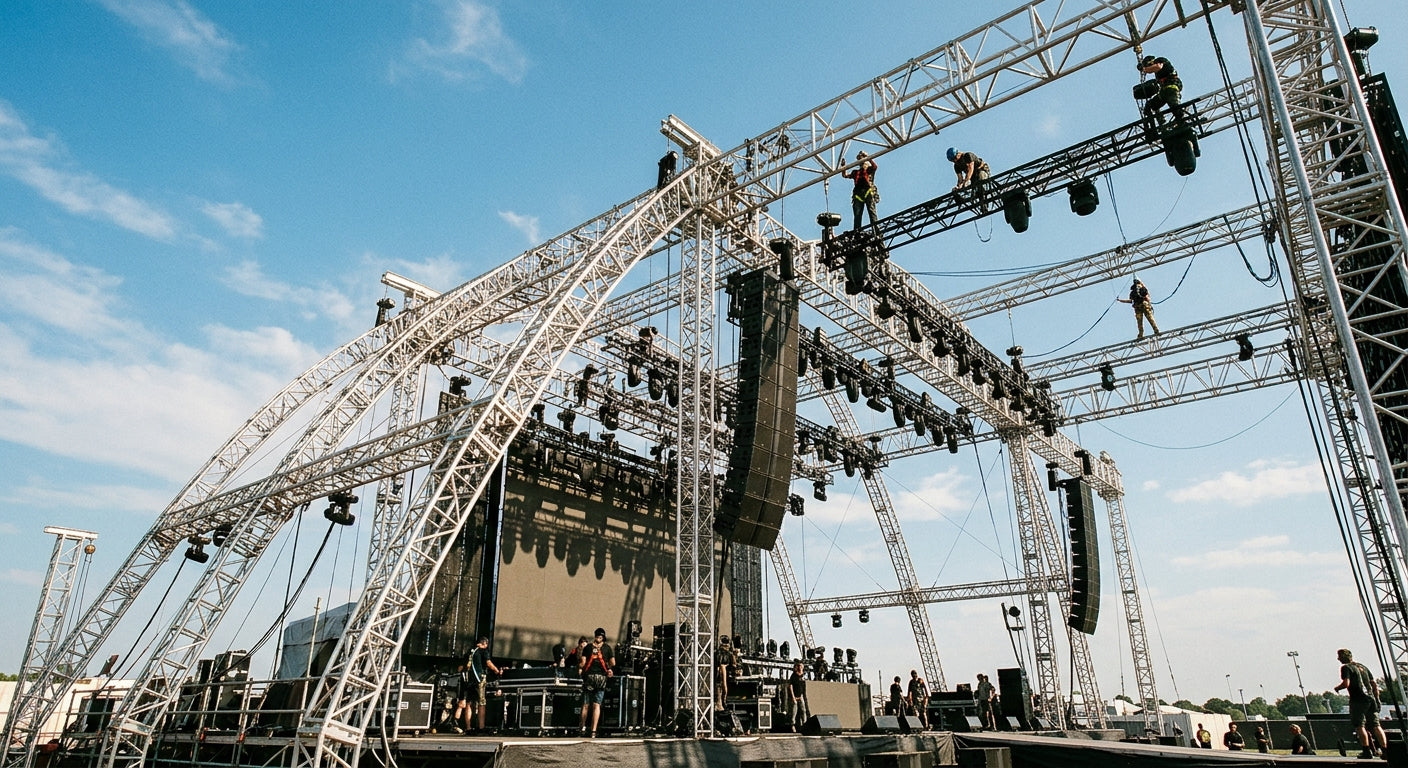


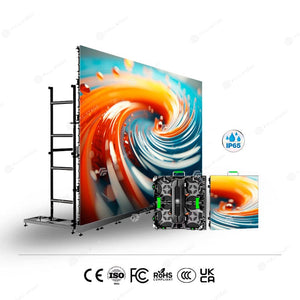
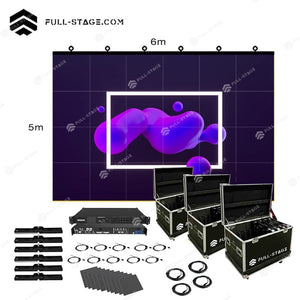
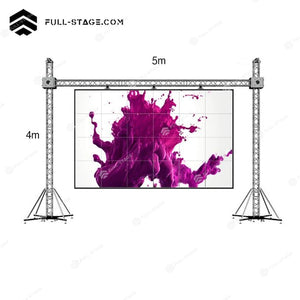


- Compatibility with existing rigs is key
- TÜV Rheinland certification for safety
- Load capacity is crucial for decision-making
- Technical documentation simplifies tender processes
In this article
Buyer context/problem
As manufacturers of truss structures, one of the most frequent questions we receive is not about price, but about compatibility. AV technicians and producers often face the dilemma of whether the new truss they are considering will integrate seamlessly with their existing equipment.
This is not a minor detail, as compatibility can be the deciding factor for an event's success. The primary concern lies in load capacity. Knowing whether the truss will support the necessary weight without compromising safety is crucial. This is where structural certification comes into play.
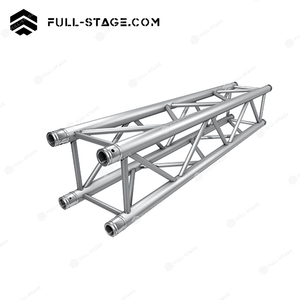
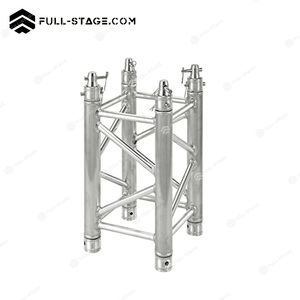
With products like the 6m Bolt-on 40x60 cm Truss Structure, which features TÜV Rheinland certification, it is guaranteed that these structures have been tested and meet international safety standards. Furthermore, technical documentation is essential for tenders.
Tender specifications often require precise details regarding truss specs, such as maximum load capacity and the materials used. Without this information, AV technicians may find themselves at a disadvantage when competing for projects. Integrating new trusses with existing equipment also involves understanding the connection and assembly specifications.
Some trusses use specific coupling systems, and it is vital to ensure that assembly systems are compatible. Additionally, technicians must consider the event's environmental conditions, such as exposure to wind or humidity, which can affect the stability and strength of the structure.
Therefore, conducting an exhaustive analysis of technical and environmental specifications is an essential step in the truss selection process.
Technical comparison with table
To facilitate the decision on which truss structure is right for your project, it is essential to compare the technical specifications of the different models available. Below, we present a comparison table of some of our featured products.
| Model | Dimensions | Load Capacity (UDL) | Material | Certification |
|---|---|---|---|---|
| TRU-BOL-4060-L6 | 40x60 cm | 805.00 kg/m (for 4m) | 6082/6061-T6 Alloy | TÜV Rheinland |
| TRU-STK-3040-L2 | 30x40 cm | 277 kg/m (for 4m) | 6082/6061-T6 Alloy | TÜV Rheinland |
| TRU-STK-3040-L25 | 30x40 cm | 277 kg/m (for 4m) | 6082/6061-T6 Alloy | TÜV Rheinland |
This table offers a clear view of load capacities and certifications, allowing AV technicians and producers to make informed decisions based on the specific needs of their projects.
It is important to note that the choice of material, such as aluminum or specific alloys, affects not only the weight and ease of transporting the truss, but also its durability and resistance to corrosion.
6082/6061-T6 alloys, for example, are known for their high mechanical strength and good weldability, making them ideal for applications that require a combination of lightness and structural strength.
When comparing models, one should consider how these characteristics will influence the performance of the truss in specific situations, such as outdoors or under dynamic loads.
What most people don't consider
An aspect that is often overlooked when selecting truss structures is the importance of detailed technical documentation. In the tender process, bid documents require precise information regarding product specifications. Without this data, it is easy for a proposal to be dismissed.
Technical details, such as load capacity and exact dimensions, are crucial to ensure that the selected truss meets project requirements. Furthermore, TÜV Rheinland certification not only guarantees product quality and safety but also provides a competitive advantage in the tender process.
Producers must ensure that all necessary documents are in order before submitting a bid. This includes test certificates, assembly diagrams, and any other documentation required by the client or regulator. Another critical factor often overlooked is the environmental impact and sustainability of the materials used.
As environmental regulations become stricter, companies must consider the product lifecycle and its carbon footprint. Opting for recyclable materials and sustainable manufacturing processes can not only improve brand perception but also meet tender requirements that prioritize sustainability. Therefore, when evaluating truss options, it is prudent to consider not only technical performance but also the associated environmental impact.
Applications by use case
Understanding the specific applications of each type of truss is essential to maximize its effectiveness in different scenarios. Here we show you how our products can be used in various contexts.
The 0.5m 30x30 cm Truss Structure is ideal for lighting setups in enclosed spaces, thanks to its compact and lightweight design.
The 6m Bolt-on 40x60 cm Truss Structure provides the strength necessary to support heavy equipment on large stages.
The F34 Bolt-on Truss Base is perfect for setups that require temporary but firm stability.
Each application has its own needs and challenges. Therefore, choosing the right truss will ensure that the assembly is safe and efficient, regardless of the environment. For indoor events, it is crucial to consider ceiling height and space constraints, which may dictate the size and type of truss used.
In outdoor concerts, factors like wind resistance and exposure to the elements play an important role in selecting the appropriate truss. In temporary installations, ease of assembly and disassembly is fundamental to optimizing installation time. Additionally, the ability to customize the truss with specific finishes to adapt to the aesthetics of the event can be a significant value-add.
Decision table
Selecting the right truss involves considering various technical and logistical factors. The following table will help you decide which is the best option for your project, taking into account your specific needs.
| Criterion | Recommended option | Justification |
|---|---|---|
| High Load Capacity | TRU-BOL-4060-L6 | Ideal for events that require supporting heavy equipment. |
| Tight Spaces | TRU-STK-3030-L05 | Perfect for compact and flexible setups. |
| Temporary Setups | ACC-TRU-BOL-BASE | Offers stability without compromising ease of assembly. |
This table is designed to facilitate the selection process, ensuring each choice is based on specific needs and not just general specifications. When selecting a truss, it is also important to consider modularity and the potential for future expansion.
A truss system that allows for the integration of additional components or extension of the structure can offer greater flexibility to adapt to events of different sizes and requirements.
Additionally, evaluating the availability of spare parts and technical support is crucial to ensure continuous service and minimize downtime in the event of repairs or adjustments.
Costs and logistics
When planning a project, costs and logistics are critical factors that must be considered. Choosing the right truss not only affects the initial budget but also long-term operating costs.
It is essential to evaluate the total cost of ownership, which includes not only the purchase price but also transport, storage, and maintenance. The 2m 30x40 cm Truss Structure, for example, offers great load capacity, which could reduce the need for multiple structures, thereby optimizing transport and assembly costs.
Additionally, assembly and disassembly logistics must be efficient to minimize time and resources required, which in turn reduces labor costs. By choosing trusses with TÜV Rheinland certification, you can also ensure that products meet safety standards, which can reduce costs associated with failures or accidents.
Another important consideration is transport. Lighter trusses can significantly reduce shipping costs, especially for international projects where air or sea freight rates can be high. Likewise, the stackable or foldable design of some trusses can optimize storage space and facilitate handling during transport. Evaluating these logistical aspects can provide significant savings and improve the project's operational efficiency.
Need help choosing the right truss? Our team of experts is here to advise you.
Request technical advice Speak with a virtual assistantCommon mistakes to avoid
When selecting and using truss structures, there are common mistakes that can be avoided with proper planning and knowledge. One of the most frequent errors is underestimating the load capacity required for an event. This can lead to dangerous and costly situations.
Another common mistake is not verifying the compatibility of the new truss with existing equipment. This can result in incompatibilities that complicate the assembly and increase installation time. It is essential to review technical specifications and ensure that all components work together without issues. Finally, ignoring the importance of certification can lead to safety and compliance problems.
TÜV Rheinland certification, for example, ensures that products meet international safety standards, which is crucial to avoid incidents during the event. Additionally, it is important not to overlook the impact of environmental conditions on the strength and stability of the truss.
Factors such as humidity, extreme temperatures, and prolonged exposure to sunlight can affect the structural integrity of the truss if the right material is not chosen. Lastly, not having a contingency plan for assembly and disassembly can result in significant delays. Preparing a detailed schedule and properly training staff in equipment handling is key to avoiding setbacks.
Ready to get a quote for your next project with certified truss structures?
Request a quote Speak with a virtual assistant