



40% of post-event complaints in AV production are related to the incorrect choice between projection mapping and LED screens (source: AVIXA survey 2023). Understanding the key differences and ideal applications of each technology can be the difference between a successful event and one filled with problems.
In this article
Technical differences between mapping and LED screens
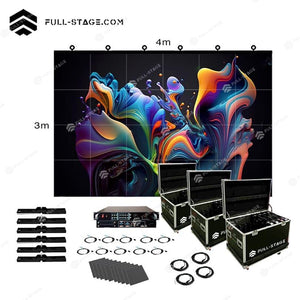
According to LEDs Magazine, projection mapping technology allows for unparalleled creative control by projecting images onto irregular surfaces. However, LED screens, such as those from Full-Stage, offer consistent brightness of up to 4,500 nits for outdoor use, which is critical in environments with high ambient light. Mapping relies on projector quality and environmental darkness, while LED screens maintain visibility regardless of lighting conditions.
| Feature | Projection Mapping | LED Screen |
|---|---|---|
| Brightness | Dependent on projector (generally <5,000 nits) | Up to 4,500 nits (Full-Stage) |
| Surface Flexibility | High, can project on any surface | Limited to flat surfaces |
| Lighting Conditions | Optimal in darkness | Works in any lighting condition |
When to use projection mapping?
According to Installation Magazine, projection mapping is ideal for events where visual creativity is a priority, such as in performing arts or temporary architectural installations. The ability to project onto complex surfaces allows for visual effects that LED screens cannot replicate. However, it requires controlled lighting conditions and precise setup to avoid distortions.
When to opt for LED screens?
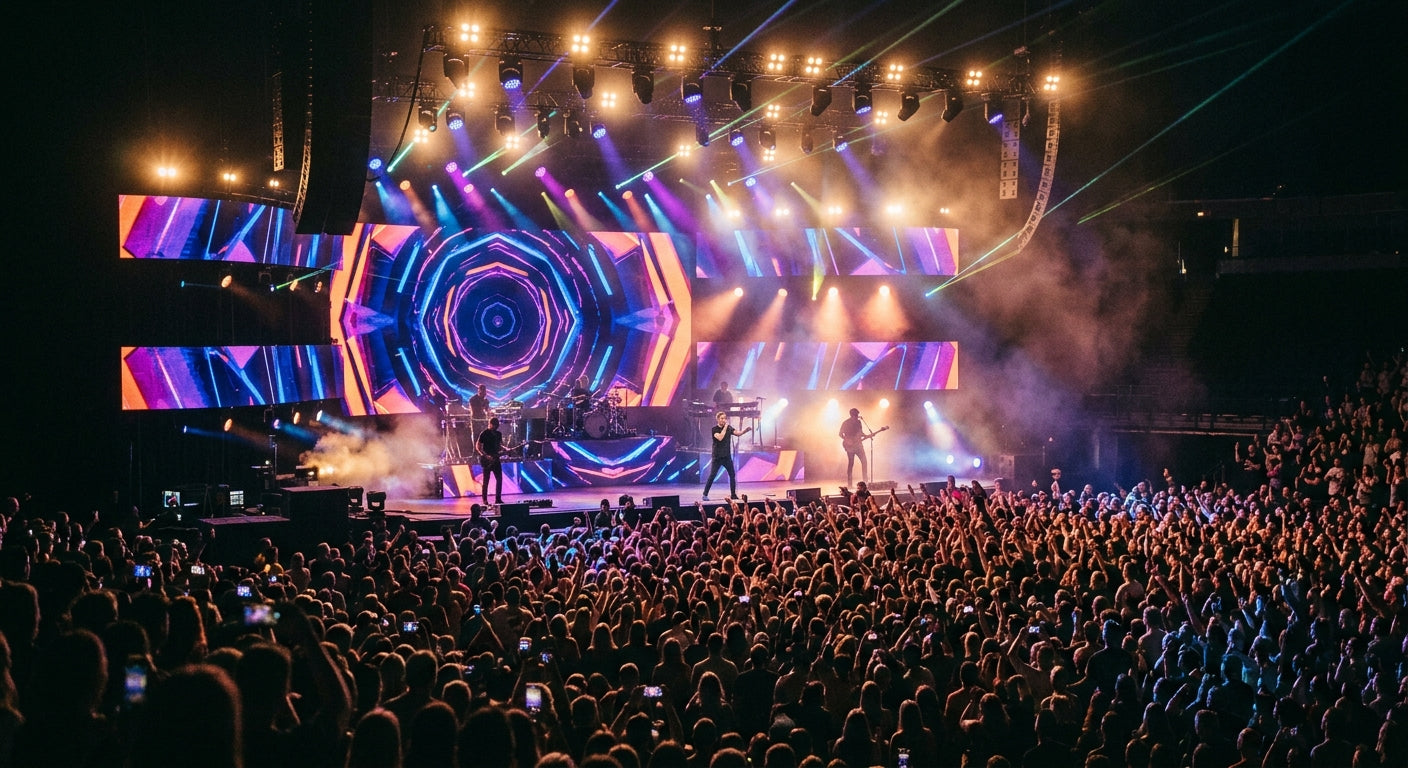
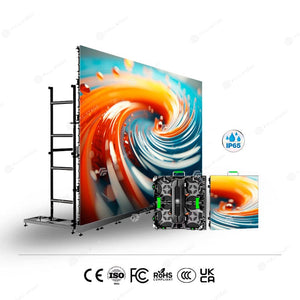
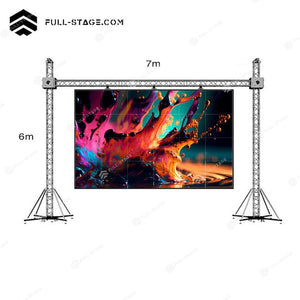
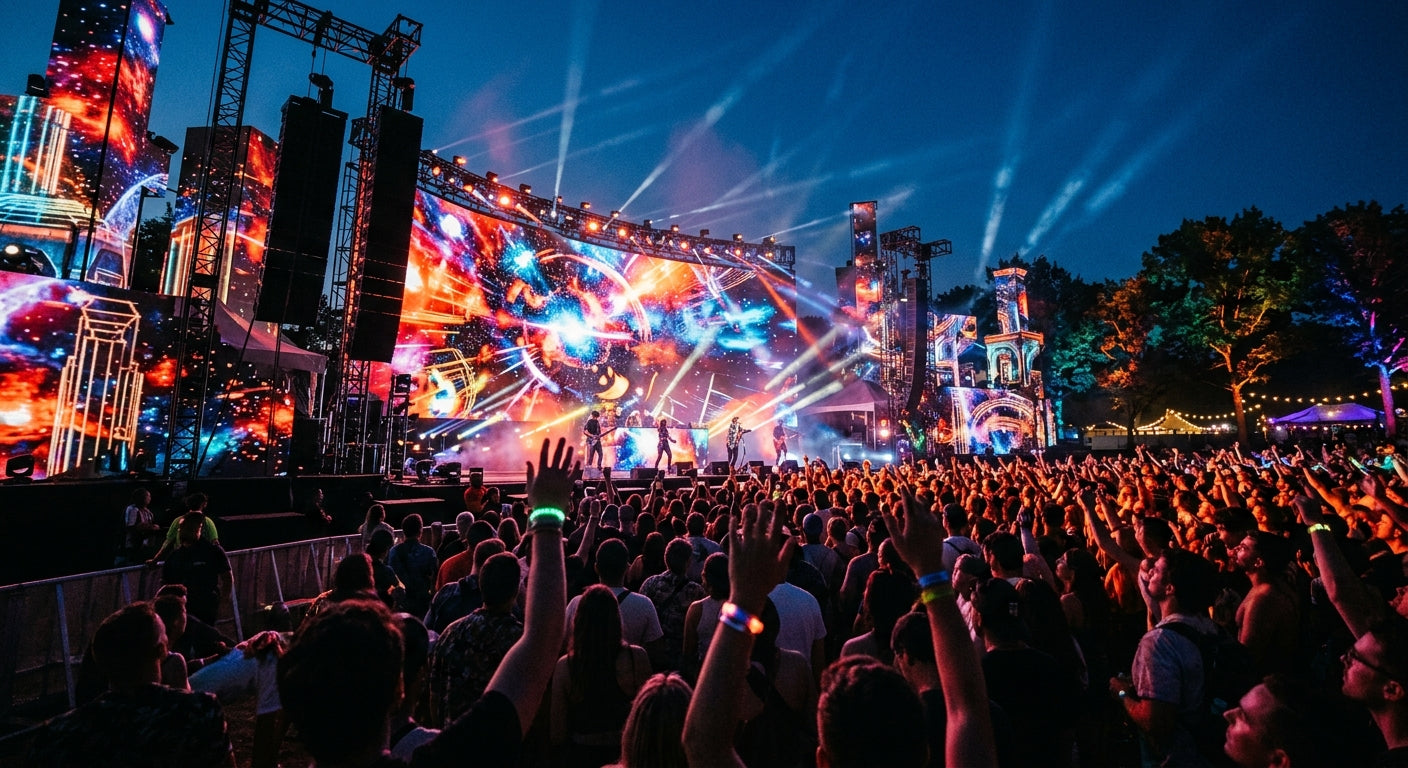
In our experience with over 200 annual events, LED screens are the preferred choice for concerts and outdoor events due to their high visibility and resistance to adverse environmental conditions. Full-Stage LED panels, with their IP65 protection rating, ensure continuous operation even in rain or dust, something projectors cannot guarantee.
Recommendation by use case
A common mistake we see is trying to use projectors in overly lit environments, resulting in washed-out and poorly defined images. For an outdoor music festival, where sunlight is a factor, a Full-Stage P4.81 LED screen with 4,500 nits ensures that content is visible even in full daylight.
Need help choosing? Contact a Full-Stage specialist or chat with ORION, our online assistant.
How to choose? — Decision matrix
| Your situation | Recommendation | Why |
|---|---|---|
| Indoor event with irregular surfaces | Projection Mapping | Allows projection on complex surfaces with light control |
| Outdoor concert during the day | LED Screen P4.81 | Superior visibility with 4,500 nits and weather resistance |
| Corporate event in a conference room | LED Screen P2.6 | High resolution and adequate brightness for presentations |
| Temporary artistic installation | Projection Mapping | Creative flexibility on unconventional surfaces |
To ensure the success of your next event, choose the right technology that maximizes visual impact and minimizes risks. Consider the lighting conditions and the type of content you wish to display.
Talk to a specialist