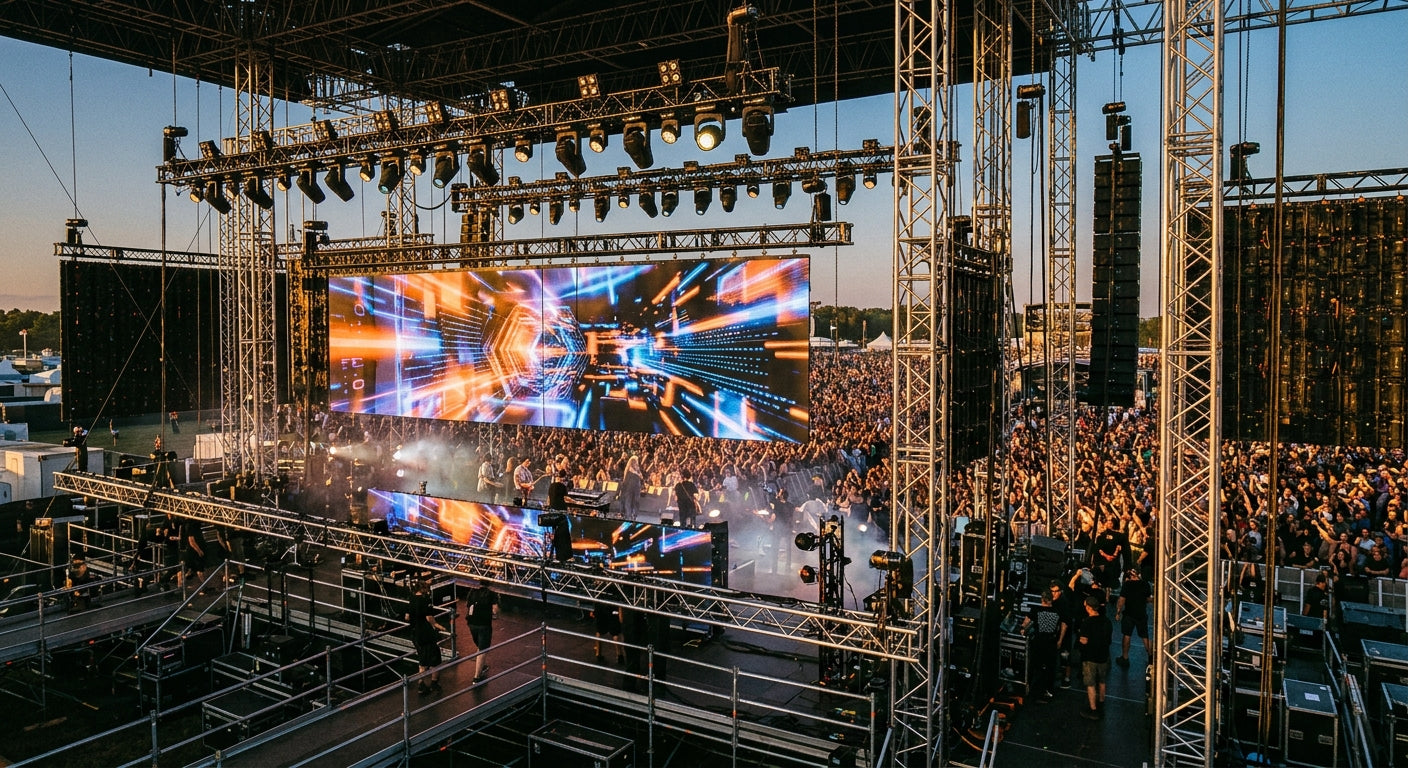


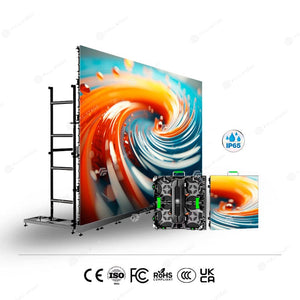
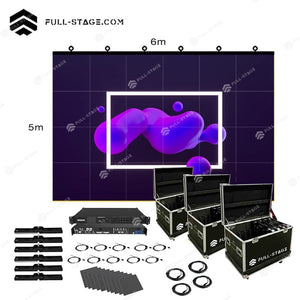
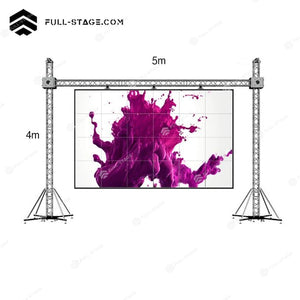
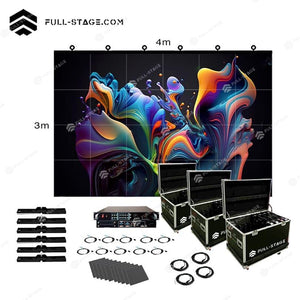
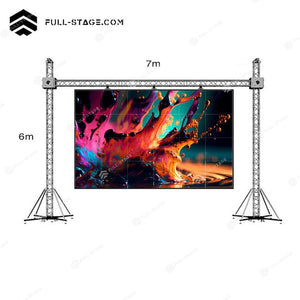


In the competitive world of events and advertising, choosing the right LED equipment is crucial. Imagine you are an event organizer who has decided to import LED screens for an outdoor concert. With so many suppliers and specifications available, ensuring that the equipment meets quality standards before shipping is fundamental to avoiding unpleasant surprises. Understanding which technical aspects to verify can make the difference between a successful event and one full of technical complications.
In this article
Context and buyer problem
For any event organizer or advertising agency, the quality of LED equipment is a constant concern. The decision to import this type of equipment must be backed by a rigorous inspection that ensures its functionality and durability. On many occasions, the buyer faces the challenge of evaluating advanced technical characteristics without having the necessary technical knowledge. Furthermore, differences in manufacturing standards and technical specifications between different manufacturers can further complicate the decision.
For example, a buyer looking for outdoor LED screens must consider factors such as brightness level, water resistance, and the product's lifespan. Without an adequate prior inspection, there is a risk of receiving products that do not meet expectations, which can result in costly delays and the need to replace defective equipment at the last minute.
At Full-Stage, we understand these concerns and, as manufacturers, we have observed that a detailed inspection before shipping is an essential practice that can prevent future problems. By focusing on key aspects like brightness, resolution, and durability, buyers can make more informed and secure decisions.
Technical comparison and table
The technical specifications of LED screens can vary significantly depending on their intended use. Below is a comparison of technical specifications to help buyers better understand the differences between the various types of LED screens available on the market.
| Screen Type | Resolution | Brightness (nits) | Use | IP Rating |
|---|---|---|---|---|
| Indoor Rental Screens | P2.6, P2.9, P3.91, P4.81 | 850 nits | Indoor | IP42 |
| Outdoor Rental Screens | P2.6, P2.9, P3.91, P4.81 | 4,500 nits | Outdoor | IP65 |
| Indoor Fixed Screens | P1.53-P5 | 850-1,500 nits | Indoor | IP40 |
| Outdoor Fixed Screens | P2.5-P10 | 5,500 - 10,000 nits | Outdoor | IP65 - IP68 |
As can be seen, outdoor screens require a higher level of brightness and protection against external elements, which significantly distinguishes them from indoor options. This table can serve as a useful tool to evaluate which type of screen is most suitable for a specific project.
What most people don't consider
One of the aspects that is frequently overlooked during pre-shipment inspection is the refresh rate of LED screens. A high refresh rate is crucial for ensuring smooth, flicker-free viewing, especially in high-demand visual environments like concerts and sporting events. Full-Stage screens have a refresh rate of 7,680 Hz, which ensures clear, uninterrupted image reproduction.
Furthermore, equipment durability is a critical factor. Our LED screens are designed for a lifespan of up to 100,000 hours, meaning buyers can be confident they are investing in reliable, long-lasting products. These factors, while technical, are fundamental to ensuring the quality and longevity of the LED equipment.
Applications by use case
- Outdoor concerts and festivals: Outdoor LED screens with high brightness and IP65 protection are ideal for outdoor events, where visibility under direct sunlight is crucial.
- Advertising in shopping malls: Indoor fixed screens with resolutions from P1.53 to P5 are perfect for high-definition advertisements in environments with controlled lighting.
- Corporate events: Indoor rental LED panels offer flexibility and ease of installation, adapting to various space configurations.
- Fairs and exhibitions: The ability to customize the size and shape of LED screens allows them to adapt to specific display needs.
By considering the specific use case, buyers can select the LED equipment that best suits their needs, thereby maximizing the visual impact of their events or advertising campaigns.
Decision table
To help buyers make informed decisions, we have created a table that summarizes the key criteria to consider when selecting LED screens:
| Criterion | Recommendation | Justification |
|---|---|---|
| Use | Indoor/Outdoor | Determine if the screen will be used indoors or outdoors to select the appropriate brightness and protection level. |
| Resolution | P1.53-P10 | The appropriate resolution depends on the viewing distance and the detail required in the image. |
| Brightness | 850-10,000 nits | Choose based on the lighting environment; higher brightness is essential for outdoors. |
| Refresh Rate | 7,680 Hz | A high refresh rate is crucial for smooth viewing. |
| Durability | 100,000 hours | Consider the product's lifespan to ensure a long-term investment. |
This table is a valuable tool that guides buyers through the fundamental technical considerations to ensure that the selected LED equipment meets their expectations and specific requirements.
Costs and logistics
The cost of LED screens varies significantly depending on technical specifications, size, and intended use. It is important to consider not only the price of the equipment but also the costs associated with shipping, duties, and import taxes. These factors can significantly influence the total project budget.
From a logistical standpoint, coordinating the transport and delivery of bulky equipment like LED screens requires careful planning. At Full-Stage, we have extensive experience in international shipping, properly handling customs documentation to meet promised deadlines.
Finally, it is recommended to work with a supplier that offers warranties on their products and after-sales service. This provides an additional layer of security and confidence, ensuring that any issues that arise after delivery can be resolved efficiently.
Do you need technical advice for your LED screen project?
Request technical adviceCommon mistakes to avoid
When importing LED equipment, there are several common mistakes that buyers should avoid to ensure the success of their investment:
- Not verifying technical specifications: Ensure that the product specifications meet your project's requirements.
- Ignoring power compatibility: Verify that the equipment is compatible with the destination's electrical system to avoid performance issues.
- Underestimating customs costs: Research and plan for duties and taxes to avoid unexpected costs.
- Not considering after-sales support: Choose a supplier that offers warranties and ongoing technical support.
- Lack of logistical planning: Carefully coordinate transport and delivery to minimize the risk of delay.
By avoiding these mistakes, you can ensure that the acquisition and import of your LED screens are carried out efficiently and without setbacks.
Ready to get a quote for LED screens?
Request a quote