

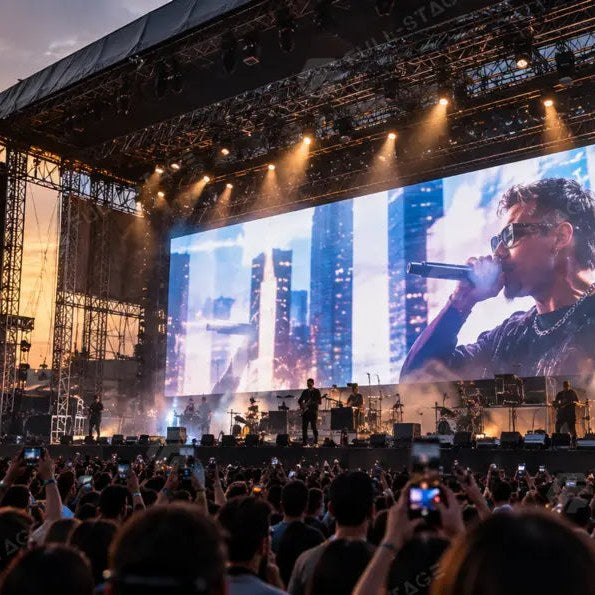
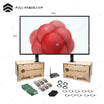
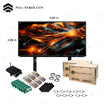
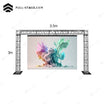
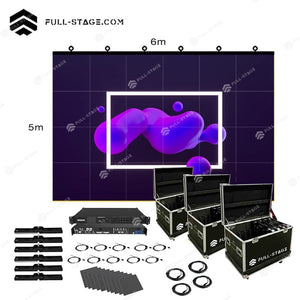
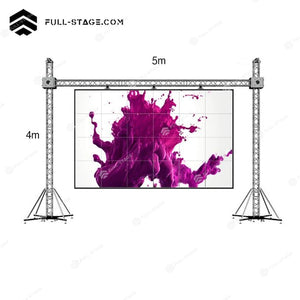
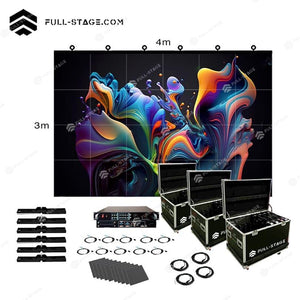
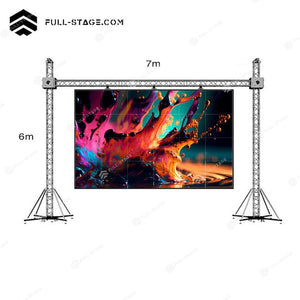


In the exciting world of event production, cutting-edge technology plays a fundamental role. And when it comes to creating stunning visual experiences, LED screens for stages and concerts are an indispensable tool. In this article, we will thoroughly explore the versatility and impact of LED screens in event production, and how Full-Stage, a leader in event technology, is at the forefront of this visual revolution.
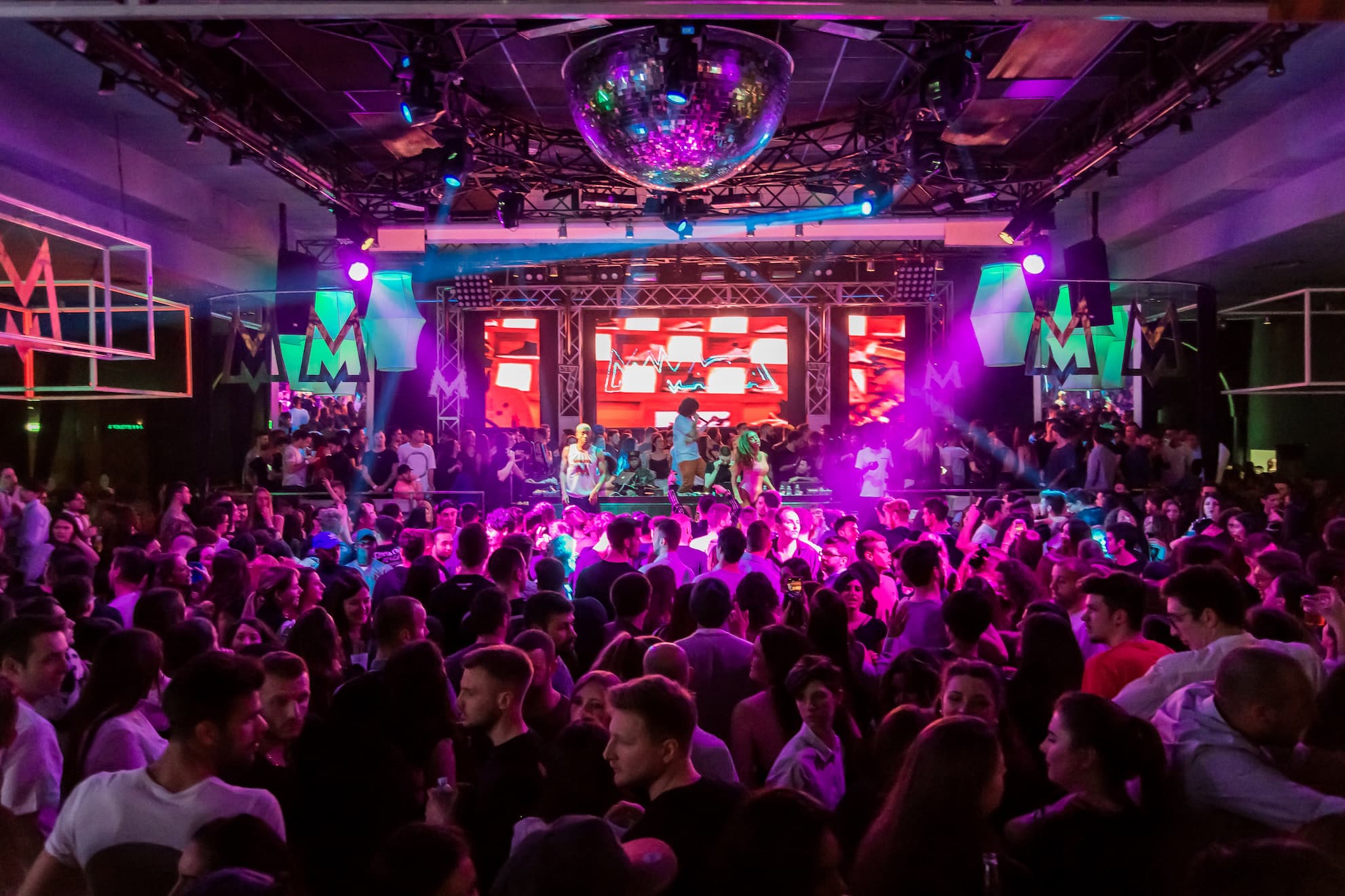
What are LED screens for stages and concerts and why are they essential in event production?
LED screens for stages and concerts are high-tech display devices that have completely transformed the event production industry. These screens offer exceptional image quality, vibrant colors, and design flexibility that allow event producers and organizers to create stunning and memorable visual experiences. From epic concerts to live presentations, LED screens have become an integral part of any high-level show, providing unparalleled visual immersion to audiences around the world. Discover how Full-Stage, a leader in event technology, is at the forefront of this visual revolution and how you can make the most of these screens for your next event.
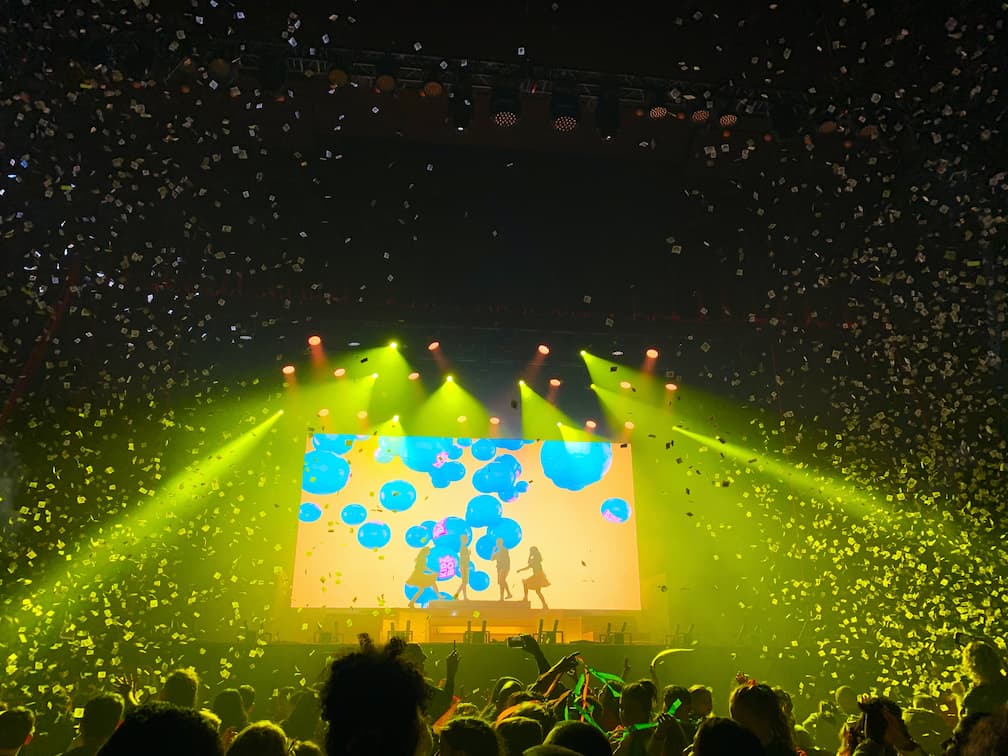
How do LED screens work?
LED screens work using advanced technology that uses light-emitting diodes (LEDs) to produce visual images. Here I will explain concisely how they work:
- Light-Emitting Diodes (LEDs): At the core of an LED screen are millions of small light-emitting diodes. These diodes are semiconductors that emit light when an electrical current is applied to them.
- Pixels: The diodes are grouped into clusters called pixels. Each pixel can contain three individual diodes, one for emitting red light, another for green, and another for blue (RGB). These three colors are combined in different intensities to create a wide range of colors.
- Electronic Control: An electronic controller sends precise signals to each pixel to control the light intensity emitted by the RGB diodes. This allows images and videos to be created on the LED screen.
- Pixel Matrix: The LED screen is composed of a matrix of pixels, where each pixel can be turned on or off independently. When several pixels are activated in specific patterns, images and videos visible to the viewer are formed.
- Brightness and Color: Controlling the intensity of the RGB diodes determines the brightness and color of each pixel. By combining millions of pixels, a complete image is created on the screen.
- Refresh Rate: LED screens constantly update the pixels to display content in real time, which allows for the smooth playback of videos and animations.
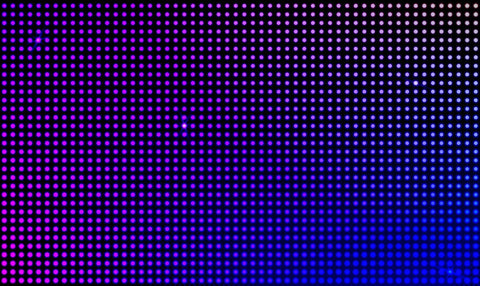
LED screens use light-emitting diodes and a combination of colors to create high-quality visual images. Their ability to control each pixel individually makes them ideal for live event productions, offering an impactful visual experience to the audience.
What are the advantages of using LED screens compared to other types of screens?
LED screens offer a number of significant advantages compared to other types of screens. Here are some of the main benefits:
- Brightness and Clarity: LED screens are known for their exceptional brightness and their ability to display vivid colors and sharp details. This makes them ideal for outdoor events or settings with high ambient lighting.
- Size Flexibility: LED screens can be built in a variety of sizes and shapes, making them highly adaptable to the specific needs of each event. They can be small for intimate presentations or enormous for massive concerts.
- High-Definition Resolution: LED screens typically offer high-definition (HD) or even 4K resolution, which ensures exceptional image quality.
- Visibility from Long Distances: Their brightness and clarity allow content to be visible even from long distances, which is essential in events with large audiences.
- Low Energy Consumption: Despite their brightness, LED screens are energy-efficient, which reduces operating costs and minimizes environmental impact.
- Durability and Reliability: LED screens are designed to be durable and resistant to adverse conditions, such as weather changes. Additionally, LED diodes have a long lifespan.
- Real-Time Updates: You can change the content on LED screens in real time, which is essential for live events where you need to display updated information or change visuals during the show.
- Interactivity: Some LED screens are touch-enabled and interactive, allowing for audience participation and a more immersive experience.
- Customization: You can customize the content and programming of LED screens according to your specific needs, from advertising to artistic content.
-
Visual Impact: LED screens are highly impactful and can create stunning visual effects, adding a spectacular element to any event.
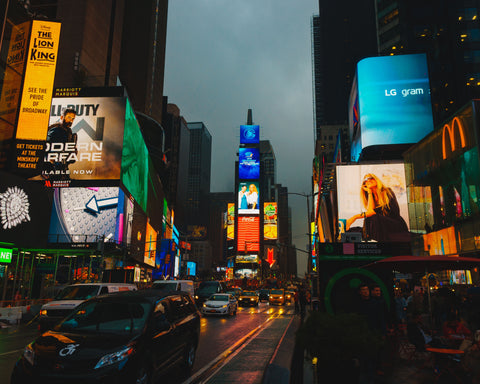
LED screens offer a unique combination of brightness, clarity, flexibility, and durability that makes them ideal for a wide variety of live events, from concerts and festivals to conferences and presentations. Their versatility and visual quality make them a preferred choice for event and entertainment professionals.
Where can LED screens be used?
LED screens are extremely versatile and are used in a wide variety of applications. Here I mention some of the places and events where LED screens can be used:
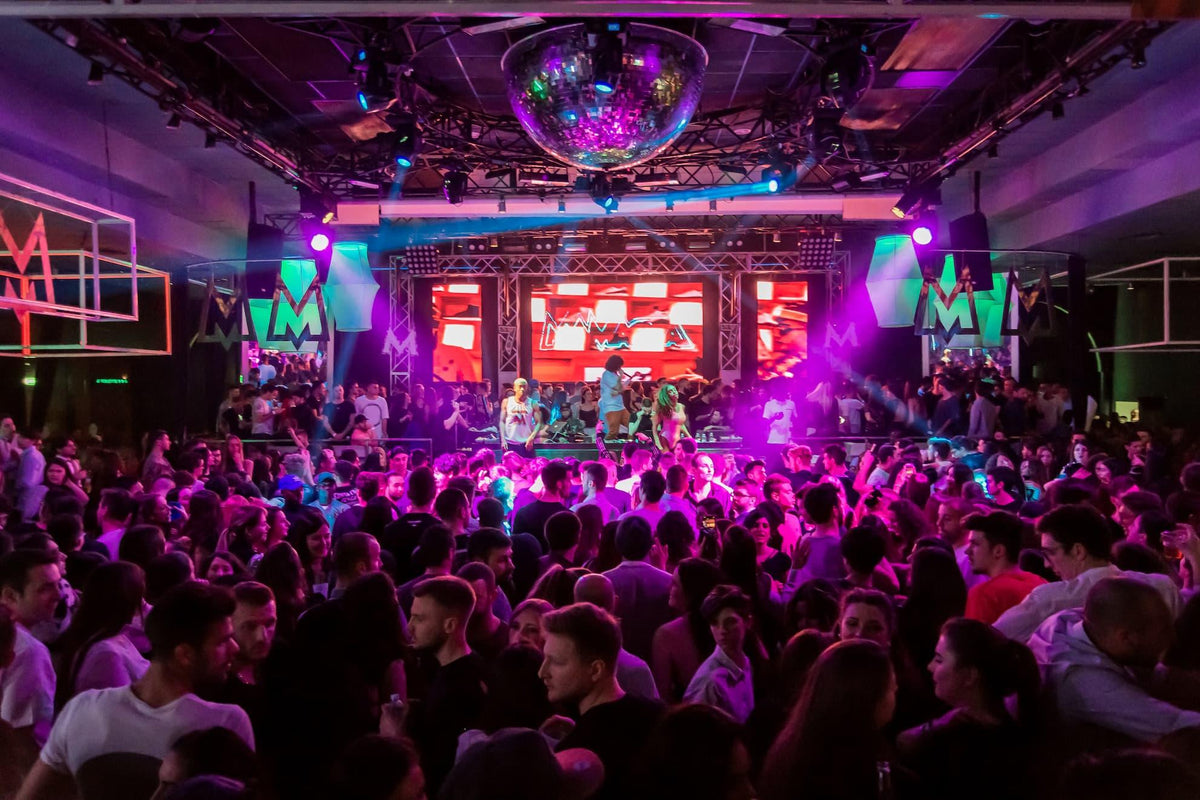
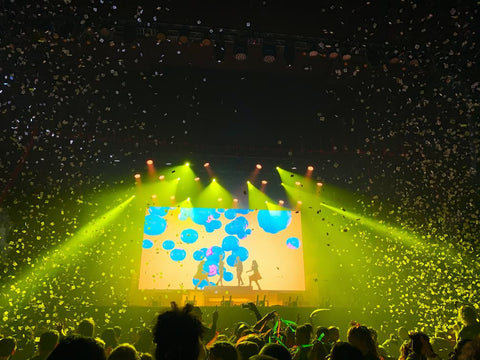
LED screens for Concerts and Festivals: LED screens are commonly used in concerts and festivals to display live footage of artists, stunning visuals, and visual effects synchronized with the music.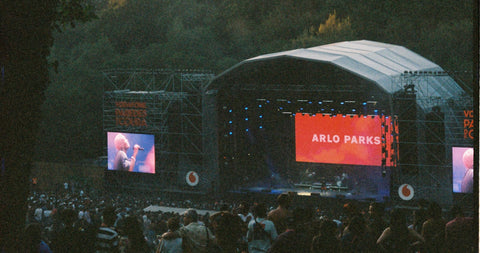
LED screens for Sporting Events: In stadiums and sports arenas, LED screens offer instant replays, real-time scoreboards, and dynamic advertising.
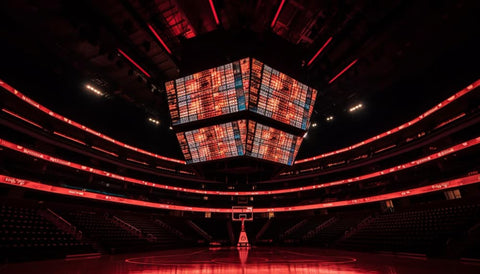
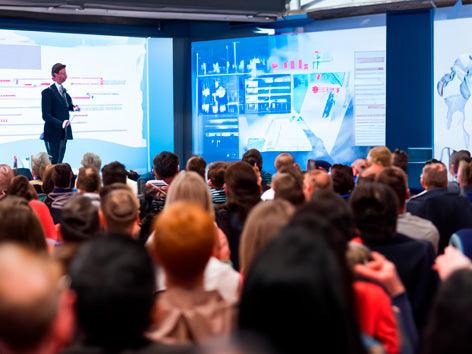
LED screens for Corporate Events: Corporate presentations benefit from LED screens to display high-quality graphics, stunning visual presentations, and promotional videos.
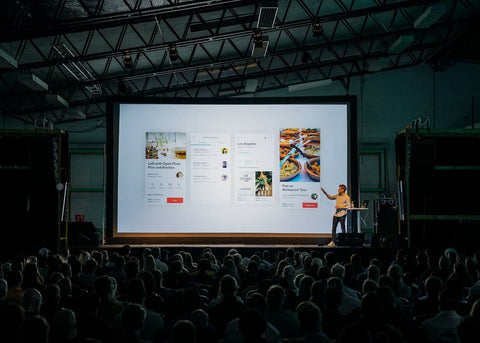
LED screens for Conferences and Trade Shows: In business events, LED screens are used to present information, promotional videos, and live streams of presentations.
LED screens for Outdoor Events: In outdoor events, such as screenings in parks, giant screens for sports broadcasts, or public shows, LED screens offer visibility even under sunlight.
Are you looking for giant screens for concerts?
LED screens for Theatrical Scenography: Theatrical productions often incorporate LED screens to create dynamic digital backgrounds and special visual effects.
LED screens for Outdoor Advertising: Digital billboards use LED screens to display advertisements and promotional messages in strategic locations.
LED screens for Stores and Shopping Malls: LED screens in retail stores and shopping malls are used to grab customers' attention with promotional content and dynamic advertising.
LED screens for Art Installations: Contemporary artists often incorporate LED screens into their installations to create immersive visual experiences.
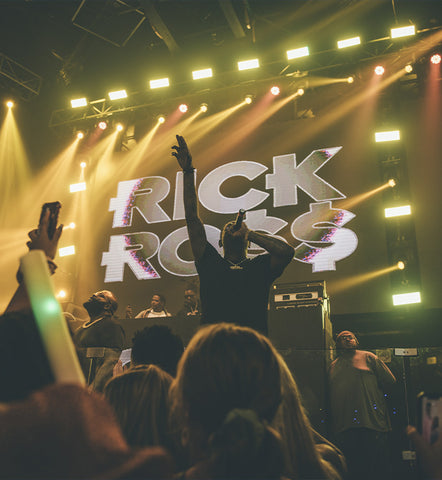
LED screens for Social Events: At weddings and other social events, LED screens are used to display photos and videos of those being honored and to create a unique atmosphere.
LED screens for Live Streaming: Live broadcasts, such as television shows and internet streams, use LED screens to display graphics, backgrounds, and visual effects in real time.
LED screens for Digital Signage: In airports, train stations, hospitals, and other public places, LED screens are used to display important information, schedules, and announcements.
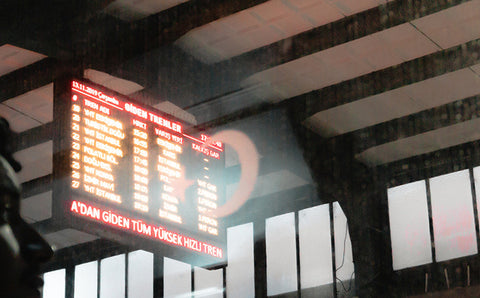
Full-Stage LED screens are essential in a wide range of environments and events, as they offer exceptional versatility, brightness, and visual quality. Their ability to adapt to different situations makes them a valuable tool in the world of events, entertainment, and visual communication.
What are the different sizes available for LED screens?
The different sizes of LED screens available depend on the specific needs of each application. Below are some examples of common LED screen sizes in centimeters:
Indoor LED Screens:
Our indoor LED screens are designed to provide a stunning visual experience in closed environments. They offer vibrant color reproduction and high contrast so that your content stands out clearly. Available in a variety of resolutions, sizes, and configurations, these screens are ideal for indoor applications, such as commercial exhibits, conference rooms, and presentation spaces.
Are you looking for indoor LED screens?
Outdoor LED Screens:
Full-Stage outdoor LED screens are built to withstand the most demanding weather conditions. With adequate protection against rain and sun, these screens are perfect for outdoor events, concerts, festivals, and digital signage applications in public spaces. Visibility under direct sunlight and durability are key features of our outdoor LED screens.
Are you looking for outdoor LED screens?
LED Screens for Live Events:
Designed specifically for the live events industry, our LED screens for events offer exceptional image quality and quick and easy setup. Whether for concerts, festivals, conferences, or live streams, these screens ensure that your audience enjoys an immersive visual experience.
Do you need screens for your event?
Custom LED Screens:
At Full-Stage, we understand that every project is unique. That is why we offer customized LED screens that adapt to your specific needs. You can choose the resolution, size, and shape that best fit your vision. Our team of experts will guide you through the process to create an LED screen that is truly unique and effective.
Modular LED Screens:
Our modular LED screens allow for exceptional design flexibility. You can combine and assemble display modules in a modular fashion to create custom configurations that fit any space or application. Whether you need a large, panoramic screen or several smaller screens, our modular options give you total control.
Rental LED Screens:
If you are looking for a temporary solution for your event, our rental LED screens are the perfect choice. We offer a wide range of screens available for rent, allowing you to take advantage of the latest LED screen technology without the long-term investment. From concerts to trade shows, our rental screens are ideal for any occasion.
How are LED screens installed?
The installation of LED screens can vary depending on the type of screen and the environment in which they will be used. Below, Full-Stage provides a general guide on how LED screens are installed:
- Site Evaluation: Before installation, it is essential to perform a site evaluation. This involves measuring the available space, considering the audience location, and taking into account the visibility from different angles.
- Structure Assembly: In many cases, LED screens are mounted on a structure. This can be a truss, a wall, or any suitable support. Ensure that the structure is sufficiently sturdy and that it meets the screen’s load requirements.
- Power Connection: Connect the LED screen to an appropriate power source. Ensure you follow the manufacturer's specifications for the required voltage and electrical current.
- Signal Connection: LED screens must be connected to a signal source. This can be a computer, a media player, or another device that plays the content you wish to display on the screen.
- Configuration and Adjustment: Once the screen is connected and powered on, you must configure and adjust the resolution, brightness, and other display parameters according to your specific needs. This is generally done through a controller or software provided by the manufacturer.
- Testing and Calibration: Perform tests to ensure the screen is working correctly and that the image quality is as desired. Adjust parameters as necessary.
- Ongoing Maintenance: LED screens require regular maintenance to ensure optimal performance. This can include cleaning, replacing defective parts, and updating software.
- Environmental Considerations (if necessary): If the LED screen is installed in an outdoor environment, ensure it is protected against rain, sun, and other adverse weather conditions. Outdoor LED screens usually have an IP rating that indicates their resistance to water and dust.
- Compliance with Regulations (if necessary): Ensure you comply with all local and national regulations related to the installation of LED screens, including necessary permits and safety considerations.
It is important to note that the installation of LED screens may require technical knowledge and experience, so it is advisable to rely on trained professionals if you are not familiar with the process. Additionally, each LED screen may have specific instructions provided by the manufacturer that must be followed carefully.
What is the average lifespan of an LED screen?
The average lifespan of an LED screen depends on several factors, including the type of screen, the quality of the components, the usage environment, and how the screen is maintained and operated. Full-Stage LED screens are noted for having an exceptionally long lifespan, exceeding 100,000 hours of use. This is equivalent to many years of continuous operation.
Some of the factors that contribute to the long lifespan of Full-Stage LED screens include:
-
Quality of Components: Full-Stage uses high-quality components in the manufacturing of its LED screens, which contributes to greater durability.
- Screen Technology: The LED technology used in Full-Stage screens is known for its efficiency and longevity.
- Maintenance: Proper maintenance, which includes regular cleaning and replacement of defective parts, can further extend the screen's lifespan.
-
Proper Usage: Using the screen within its specifications and avoiding overloading or extreme operating conditions is key to extending its lifespan.
-
Usage Environment: Full-Stage LED screens are designed to operate both indoors and outdoors, making them versatile and durable in a variety of environments.
- Cooling System: Effective cooling systems help maintain the screen's temperature within safe levels and contribute to its longevity.
Full-Stage LED screens stand out for their exceptionally long lifespan, making them a solid investment for events and long-term applications.
Can I customize the size and shape of my LED screen?
Absolutely! At Full-Stage, we understand that every event and space is unique, which is why we offer the option to customize the size and shape of your LED screen according to your specific needs. Whether you want a factory-customized LED screen or need a bespoke solution, we are here to help.
You can contact us to discuss your customization requirements via email at Info@Full-Stage.com or through WhatsApp at +1 (305) 809 0614. Our team will be happy to provide personalized advice and create the perfect LED screen to suit your project.
Whether you are looking for an unusually shaped LED screen, a specific configuration, or any other special requirement, at Full-Stage, we have the experience and flexibility needed to bring your vision to life.
What resolution do the LED screens offer?
Full-Stage LED screens offer a variety of resolutions to suit diverse needs and applications. These resolutions are expressed in terms of the distance between pixels, known as pixel pitch. Some of the available resolutions include P4, P3.91, P3, P2.97, P2.65, P2, P1.97, and P1.
P4 means the distance between pixels is 4 millimeters;
P3.91 means the distance between pixels is 3.91 millimeters, and so on for the remaining models.
These different resolutions allow LED screens to be adapted to a wide range of applications. For example, lower resolutions, such as P4 or P3.91, are ideal for indoor live events where high image quality and fine detail are required. On the other hand, higher resolutions, such as P2 or P1.97, may be suitable for applications that demand high-definition viewing, such as trade show exhibits or permanent installations.
At Full-Stage, we are committed to offering a wide range of resolution options to meet our clients' specific needs and ensure an impressive visual experience for your events and projects.
How are the LED screens controlled?
The control of Full-Stage LED screens intended for event production is a highly specialized and versatile process carried out through an integrated system of devices. At the heart of this system is our powerful video processor, which connects to a computer equipped with our custom software. This software allows users to play a wide variety of content, from videos and visuals to dynamic effects, with exceptional precision.
The video processor is the brain behind the visual magic on screen. It can manage multiple signal inputs and apply brightness, color, and contrast adjustments in real-time to ensure optimal image quality. Additionally, it offers pixel mapping options that allow the LED screen to be adapted to any shape or structure, which is essential for creative events and custom stage designs.
Communication between the computer and the video processor is seamless and precise, facilitating perfect synchronization between content playback and the LED screen. It is also possible to control multiple LED screens simultaneously, which is essential for large-scale events.
In short, controlling our LED screens for live events is a comprehensive and adaptable experience, backed by cutting-edge technology and designed to bring any creative vision to life. From concerts and shows to corporate presentations and special events, our control technology ensures flawless execution and an unforgettable visual experience.
Are LED screens suitable for outdoor use?
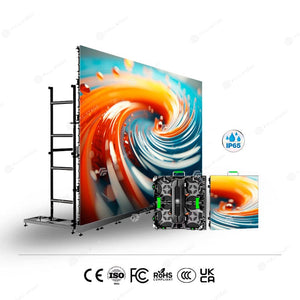
Absolutely, our Full-Stage LED screens are ideal for outdoor use, provided that models specifically designed for this purpose, known as Outdoor LED screens, are used. These screens are equipped with solid IP65-rated protection, making them resistant to adverse weather conditions, such as rain and dust.
The IP65 rating ensures that Outdoor LED screens are hermetically sealed and protected against the ingress of water and solid particles. This makes them a safe and reliable choice for outdoor events, concerts, festivals, and other occasions where exposure to the elements is a concern.
In addition to their weather resistance, our Outdoor LED screens maintain the same image quality and brightness as our indoor screens. This means that viewers will enjoy an exceptional visual experience, even in direct sunlight.
Our Outdoor LED screens are designed to face the challenges of the outdoor environment without compromising visual quality. They are the perfect choice for outdoor events seeking an impressive visual impact and reliability in any weather condition.
What is the difference between a rental LED screen and a fixed LED screen?
The main difference between a rental LED screen and a fixed LED screen lies in their design and intended use:
Rental LED Screens:
- These screens are designed to be portable and versatile.
- They are commonly used for temporary events such as concerts, trade shows, conferences, weddings, and other events where a large, high-quality screen is needed.
- They are easy to transport and set up due to their modular and lightweight design. This allows for quick installation and dismantling, which is crucial for temporary events.
- Rental LED screens usually have higher resolution and brightness to ensure exceptional image quality, even in environments with ambient light.
- They can vary in size and shape depending on the event's needs and can be customized to fit specific stages.
- They are typically owned by audiovisual equipment rental companies or event production companies that offer short-term rental services.
Fixed LED Screens:
- These screens are designed for permanent installations in locations such as stadiums, shopping centers, airports, theaters, and corporate buildings.
- They are larger and designed for continuous viewing over long periods of time. Generally, they are neither portable nor detachable.
- They often have exceptional resolution and brightness to provide a high-quality visual experience in large spaces.
- They require more complex installation and often involve construction work to secure them in place.
- They are owned by the location where they are installed and are used to display content continuously.
The key difference is that rental LED screens are temporary and versatile, while fixed LED screens are permanent and installed in specific locations. Both types offer distinct benefits depending on the user's needs and the context of use.
Can LED screens be used for advertising and digital signage?
Absolutely! Full-Stage LED screens are an exceptional option for advertising and digital signage due to their versatility and ability to stand out in high-traffic environments.
Here is why they are ideal:
- Brightness and Visibility: LED screens offer high brightness, making them perfect for outdoors and areas with ambient light. Ads and content are clearly visible even in broad daylight.
- Image Quality: They have excellent image quality with vibrant colors and sharp contrasts, ensuring that your advertising content is attractive and eye-catching.
-
Content Flexibility: You can display a wide range of content, from static images to dynamic videos. This is especially effective for advertising campaigns that require varied content.
-
Real-Time Updates: LED-based digital signage allows you to change and update content instantly. This is useful for real-time promotions and programmatic advertising.
-
Durability: LED screens are weather-resistant and can withstand adverse conditions, making them a durable option for outdoor advertising.
-
Custom Size: You can choose the size and shape of your LED screen based on the needs of your space and advertising design.
-
Interactivity: Some models allow for interaction with the public via touchscreens, which adds an interactive element to your advertisements.
-
WOW Factor: LED screens grab attention and generate a memorable impact on the public, which increases the effectiveness of your advertising.
- Low Energy Consumption: Despite their brightness, LED screens are energy-efficient, which reduces operating costs.
Full-Stage LED screens are a smart choice for advertising and digital signage in a variety of environments, from outdoor billboards to indoor screens in shopping malls, airports, stadiums, and more. They are an effective tool for conveying messages to your audience in an impactful way.
What types of content can be displayed on an LED screen?
LED screens are versatile and can display a wide variety of content, making them a powerful tool for diverse applications.
Here is a list of some types of content that can be displayed on an LED screen:
- Videos: LED screens are ideal for playing high-definition videos. You can show anything from advertisements to music videos and promotional clips.
-
Static images: If you wish to display still images, LED screens offer excellent image quality for presenting photos, logos, graphics, and similar visual content.
-
Presentations: LED screens are commonly used in business and educational settings for presentations. You can connect a laptop and show presentation slides with clarity.
-
Digital signage: For advertising and signage in public spaces, LED screens can display dynamic content, such as commercial ads, product promotions, and updated news.
-
Real-time information: In critical information environments, such as airports or train stations, LED screens can display real-time data, such as flight schedules or train arrivals.
-
Scrolling text: LED screens are ideal for displaying moving text, such as news headlines, welcome messages, or event information.
-
Interactive content: Some LED screens are touch-enabled and allow for user interaction. You can create interactive applications, real-time polls, and games.
-
Live content: LED screens are also used to broadcast live events, such as sporting matches, concerts, and live streams.
-
Digital art: Digital artists use LED screens to display their artwork in a dynamic and engaging way.
- Programmatic advertising: You can use content management software to schedule ads and content for specific times of the day.
Full-Stage LED screens offer a wide range of possibilities in terms of content. The choice will depend on your objectives, whether they are advertising, informational, entertainment, or educational. Their versatility makes them a valuable tool for a variety of applications.
What is the approximate cost of an LED screen?
The cost of an LED screen can vary based on several factors, such as size, resolution, and the specific features of the screen. At Full-Stage, we offer professional, high-quality LED screens in a variety of sizes and configurations to suit your needs.
To obtain detailed information about the prices of our LED screens, we invite you to visit our website at the following link: Full-Stage LED Screen Prices . There you will find a selection of LED screens and their respective prices.
If you have specific requirements or need a personalized quote, do not hesitate to contact us via email at Info@Full-Stage.com or via WhatsApp at +1 (305) 809 0614. Our team will be happy to provide you with additional information and help you find the perfect LED screen for your needs.
To view our full catalog with real prices, visit:
- LED screens for events and stages →
- Giant LED screens for concerts →
- Outdoor LED screens →
- Indoor LED screens →
Can several LED screens be connected to form a larger screen?
Yes, it is possible to connect multiple LED screens to form a larger screen and create an impactful visual effect. This process is known as "splicing" or "mosaic configuration." At Full-Stage, we offer modular LED screens that can be assembled flexibly to adapt to different sizes and shapes, which makes it easy to create larger or customized screens according to the needs of your event or installation.
To achieve this connection, a video processor and specialized software are generally used, allowing all screens to be synchronized and controlled simultaneously. This ensures that content is displayed coherently across the entire composite screen, without display issues or desynchronization.
If you are interested in connecting multiple LED screens or creating a custom configuration, we recommend that you contact us via email at Info@Full-Stage.com or via WhatsApp at +1 (305) 809 0614. Our technical team will provide you with the necessary advice and guide you through the process to achieve the desired configuration.
How is an LED screen maintained?
Maintenance of an LED screen is essential to ensure its optimal performance and durability over time. Here we explain how it is done:
- Regular cleaning: It is important to clean the surface of the LED screen periodically to remove dust, dirt, and any residue that may affect image quality. It is recommended to use a soft, clean cloth to wipe the screen with gentle movements.
- Connection verification: Regularly inspect electrical and data connections to ensure they are firm and in good condition. Any loose or damaged connection must be repaired immediately.
- Software update: Keep the LED screen's software and drivers updated. Updates usually include performance improvements and bug fixes.
- Replacement of defective modules: If you notice that some LED modules are not working correctly or have issues, it is important to replace them as soon as possible. At Full-Stage, we offer replacement LED modules for our products.
- Check ventilation and cooling: Ensure that the screen's ventilation and cooling systems are working correctly. Overheating can damage internal components.
- Preventive maintenance scheduling: Establish a preventive maintenance schedule that includes regular inspections by specialized technicians. These professionals can identify potential problems before they turn into serious failures.
- Protection against weather conditions: If you use LED screens outdoors, ensure they are protected against rain, humidity, and other weather elements. Outdoor LED screens must have an appropriate IP protection rating.
- Color calibration: On some occasions, it may be necessary to calibrate the screen colors to ensure accurate and uniform reproduction.
- Content backup: Perform regular backups of the content shown on the LED screen, especially if it is important or critical content.
- Technical advice: It is always recommended to have the support of a specialized technical team, such as the one we offer at Full-Stage. Our technicians can provide you with advice and technical support for the maintenance and operation of your LED screens.
Remember that proper maintenance will extend the life of your LED screen and ensure reliable performance in various events and applications. If you have questions or need specific assistance for the maintenance of Full-Stage LED screens, do not hesitate to contact us.
Where can I buy high-quality LED screens?
To purchase high-quality LED screens, we recommend trusting a reliable and experienced provider like Full-Stage. Our LED screens are designed to meet the needs of live events, stages, concerts, and professional applications. Here we explain why Full-Stage is an excellent option:
- Wide range of products: We offer a variety of LED screens, including indoor screens, outdoor screens, custom screens, modular screens, and more. This allows you to find the perfect solution for your specific needs.
- Superior quality: All our LED screens are manufactured with the highest standards of quality and durability. We use premium components to ensure exceptional performance.
- Customization: If you are looking for a custom LED screen with specific features, Full-Stage can design and manufacture a tailor-made solution. Our technical team is ready to assist you in the customization process.
- Technical support: We offer complete technical support before and after the purchase. Our experts are available to answer your questions, provide advice, and help you with installation and maintenance.
- Competitive pricing: Despite offering high-quality products, we maintain competitive prices in the market. In addition, you can find information about our prices on our website.
- Experience and reputation: Full-Stage has solid experience in the live event and production industry. Our reputation is based on customer satisfaction and the quality of our products.
- International shipping: We ship internationally, which allows you to access our LED screens regardless of your geographic location.
- Secure purchase: We guarantee the security of your transactions and protect your personal data. You can buy with confidence on our online platform.
If you wish to obtain more information about our products and prices, we invite you to contact us via our email (Info@Full-Stage.com) or via WhatsApp (+1 305 809 0614) to receive personalized assistance and specific quotes.
At Full-Stage, we are committed to excellence in LED screens and the satisfaction of our customers. We look forward to serving you and providing you with cutting-edge lighting solutions for your events and projects!

Leave a comment
This site is protected by hCaptcha and the hCaptcha Privacy Policy and Terms of Service apply.